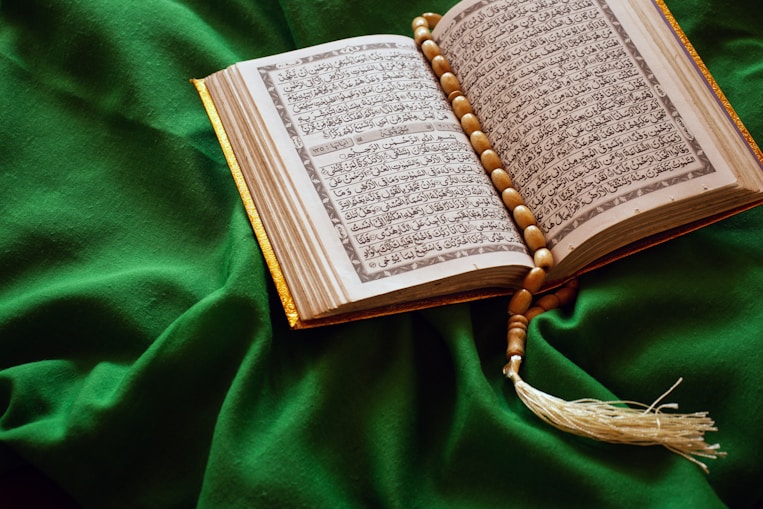
Memorizing the Quran is a deeply rewarding spiritual journey, but it also requires dedication, consistency, and effective strategies. Here are 10 tips to help you in your quest to memorize the Quran.
Memorizing the Quran is a deeply rewarding spiritual journey, but it also requires dedication, consistency, and effective strategies. Here are 10 tips to help you in your quest to memorize the Quran.
Begin with a sincere intention to memorize the Quran for the sake of Allah. Consistency with sincerity is of the utmost benefit, such as attaining Allah’s pleasure and increasing your connection to His words.
Break the Quran into manageable sections and set a consistent daily target. Whether it’s a few lines or a full page, consistency is key. Try to memorize a small amount every day without overwhelming yourself.
The best time for memorization is during the early morning hours, particularly after Fajr prayer, when the mind is fresh and focused. Try to dedicate this time each day to your Quran memorization.
Repetition is critical in memorizing and retaining the Quran. Recite the verses repeatedly until they settle in your memory. After memorizing new verses, make sure to regularly review previously memorized portions as well.
Incorporate what you have memorized into your daily prayers (Salah). This helps reinforce the memorization and ensures that it stays in your memory longer.
Stick to one copy of the Quran for memorization. Visual memory aids are powerful, and using the same Mushaf helps you recall the layout and position of the verses on the pages as you memorize.
Memorization with tafsir (explanation) of the verses makes it easier to remember and connect with the words of the Quran. Understanding the content helps the memorization process become more meaningful.
Working with a partner or a qualified teacher can provide motivation and accountability. They can also help you with corrections in pronunciation and give you valuable feedback.
Ask Allah for ease and success in your memorization. The process of memorizing the Quran is both a spiritual and mental journey, and seeking Allah’s help is crucial.
Memorizing the Quran is a long-term commitment, so be patient with yourself. Progress may be slow at times, but stay consistent. Even small, regular efforts will lead to eventual success, Insha'Allah (God willing).
Break your overall goal of memorizing the Quran into smaller, more manageable milestones. For example, aim to finish a particular surah (chapter) or juz (section) within a set time. Reward yourself when you reach these milestones to stay motivated.
Regularly reciting what you’ve memorized to someone else, like a family member, friend, or teacher, will help reinforce the memorization. It also keeps you accountable and allows others to correct any mistakes.
Listen to recordings of experienced Quran reciters (qari) as you memorize. This helps improve your tajweed (pronunciation) and allows you to hear the rhythm and flow of the verses. You can also use apps or online platforms that aid in memorization.
Staying in a state of wudu (ritual purity) while memorizing enhances focus and respect for the sacredness of the Quran. This also serves as a reminder of the spiritual nature of the task and keeps you in the right mindset.
Reflect on the verses you memorize and strive to apply their teachings in your daily life. This deeper connection to the Quran will strengthen your desire to memorize and internalize its guidance.
By combining these tips with sincere effort and consistency, you will find the journey of memorizing the Quran both manageable and deeply rewarding. May Allah bless your journey and grant you success!
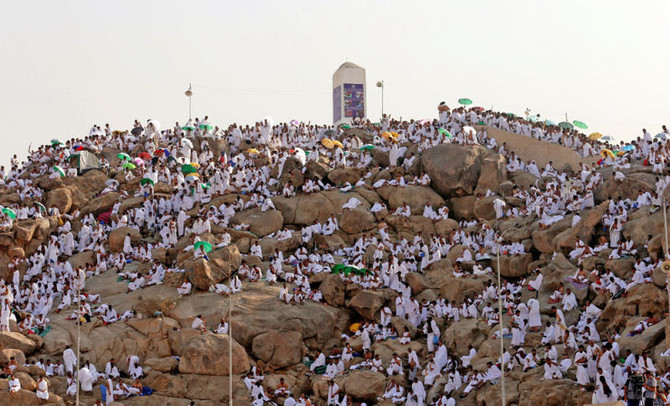
The Day of Arafah (Yawm Arafah) is the 9th day of the Islamic month of Dhu al-Hijjah and one of the most significant days in the Islamic calendar. It is the day preceding Eid al-Adha and holds great importance for both those performing the Hajj pilgrimage and Muslims around the world. For pilgrims, it is the pinnacle of Hajj, where they gather on the plain of Arafat to stand in prayer and supplication. For non-pilgrims, it is a day of fasting and seeking Allah’s forgiveness and mercy, with fasting on this day believed to expiate the sins of the previous and coming year.

The Five Pillars of Islam are the essential foundation of a Muslim’s faith and practice. These core duties strengthen a Muslim’s daily life, reinforce their connection with Allah, and guide them to live by the teachings of Islam. Observing the Five Pillars allows Muslims to feel a deep sense of faith and unity, values that bring meaning and purpose to their life.
